
Sonic Adventure DX: Director's Cut
From Sonic Retro
| show;hide
| |||||||||||||||||||||||||||||||||||||||||||||||||||||||||||||||||||||||||||||||||||||||||||||||||||||||||||||||||||||||||||||||||||||||||||||||||||||||||||||||||||||||||||||||||||||||||
Sonic Adventure DX: Director's Cut
  | |||||||||||||||||||||||||||||||||||||||||||||||||||||||||||||||||||||||||||||||||||||||||||||||||||||||||||||||||||||||||||||||||||||||||||||||||||||||||||||||||||||||||||||||||||||||||
|---|---|---|---|---|---|---|---|---|---|---|---|---|---|---|---|---|---|---|---|---|---|---|---|---|---|---|---|---|---|---|---|---|---|---|---|---|---|---|---|---|---|---|---|---|---|---|---|---|---|---|---|---|---|---|---|---|---|---|---|---|---|---|---|---|---|---|---|---|---|---|---|---|---|---|---|---|---|---|---|---|---|---|---|---|---|---|---|---|---|---|---|---|---|---|---|---|---|---|---|---|---|---|---|---|---|---|---|---|---|---|---|---|---|---|---|---|---|---|---|---|---|---|---|---|---|---|---|---|---|---|---|---|---|---|---|---|---|---|---|---|---|---|---|---|---|---|---|---|---|---|---|---|---|---|---|---|---|---|---|---|---|---|---|---|---|---|---|---|---|---|---|---|---|---|---|---|---|---|---|---|---|---|---|---|---|

| |||||||||||||||||||||||||||||||||||||||||||||||||||||||||||||||||||||||||||||||||||||||||||||||||||||||||||||||||||||||||||||||||||||||||||||||||||||||||||||||||||||||||||||||||||||||||
| System(s): Nintendo GameCube, Windows PC | |||||||||||||||||||||||||||||||||||||||||||||||||||||||||||||||||||||||||||||||||||||||||||||||||||||||||||||||||||||||||||||||||||||||||||||||||||||||||||||||||||||||||||||||||||||||||
Publisher: Sega
 | |||||||||||||||||||||||||||||||||||||||||||||||||||||||||||||||||||||||||||||||||||||||||||||||||||||||||||||||||||||||||||||||||||||||||||||||||||||||||||||||||||||||||||||||||||||||||
| Developer: Sonic Team | |||||||||||||||||||||||||||||||||||||||||||||||||||||||||||||||||||||||||||||||||||||||||||||||||||||||||||||||||||||||||||||||||||||||||||||||||||||||||||||||||||||||||||||||||||||||||
| Distributor: | |||||||||||||||||||||||||||||||||||||||||||||||||||||||||||||||||||||||||||||||||||||||||||||||||||||||||||||||||||||||||||||||||||||||||||||||||||||||||||||||||||||||||||||||||||||||||
| Game total: 13 | |||||||||||||||||||||||||||||||||||||||||||||||||||||||||||||||||||||||||||||||||||||||||||||||||||||||||||||||||||||||||||||||||||||||||||||||||||||||||||||||||||||||||||||||||||||||||
| Save file size: GC: 9 blocks, PC: 51KB | |||||||||||||||||||||||||||||||||||||||||||||||||||||||||||||||||||||||||||||||||||||||||||||||||||||||||||||||||||||||||||||||||||||||||||||||||||||||||||||||||||||||||||||||||||||||||
Peripherals supported:  | |||||||||||||||||||||||||||||||||||||||||||||||||||||||||||||||||||||||||||||||||||||||||||||||||||||||||||||||||||||||||||||||||||||||||||||||||||||||||||||||||||||||||||||||||||||||||
| Genre: Action | |||||||||||||||||||||||||||||||||||||||||||||||||||||||||||||||||||||||||||||||||||||||||||||||||||||||||||||||||||||||||||||||||||||||||||||||||||||||||||||||||||||||||||||||||||||||||
| Number of players: 1-2 | |||||||||||||||||||||||||||||||||||||||||||||||||||||||||||||||||||||||||||||||||||||||||||||||||||||||||||||||||||||||||||||||||||||||||||||||||||||||||||||||||||||||||||||||||||||||||
| Official in-game languages: | |||||||||||||||||||||||||||||||||||||||||||||||||||||||||||||||||||||||||||||||||||||||||||||||||||||||||||||||||||||||||||||||||||||||||||||||||||||||||||||||||||||||||||||||||||||||||
|


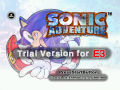
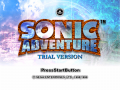
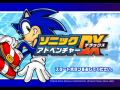
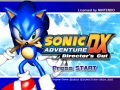
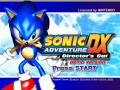
Sonic Adventure DX: Director's Cut, known as just Sonic Adventure DX (Japanese: ソニックアドベンチャー DX) in Japan, is an enhanced port of the Sega Dreamcast game, Sonic Adventure, with many added features and updated graphics. It was first released for the Nintendo GameCube in 2003, followed by a Windows PC port the following year.
Contents
Gameplay
Sonic Adventure DX follows in the footsteps of Sonic Adventure 2: Battle, a GameCube conversion of Sonic Adventure 2, released in the tail-end of 2001, taking a Dreamcast game (in this case 1999 releases (i.e. the Western and International versions)) of Sonic Adventure and attempting to enhance the game for the more capable GameCube hardware.
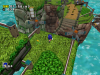
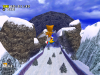
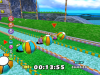
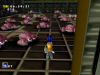
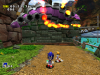
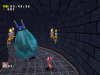
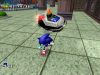
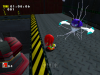
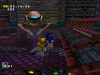
Unlike Sonic Adventure 2: Battle, however, the changes in DX are far more significant, resulting in a graphical overhaul across most areas of the game, a new "mission mode", an enhanced Chao Garden and the inclusion of 12 unlockable Sega Game Gear titles. It pulls a lot of inspiration from Sonic Adventure 2, while attempting to fix some of the multitude of problems with the original release, and is generally considered by Sega and Sonic Team to be the definitive version of the game, being the basis for all conversions going forward.
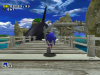
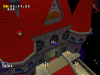
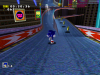
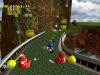
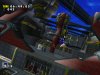
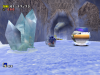
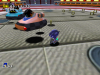
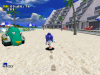
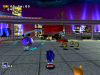
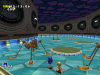
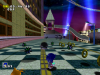
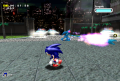
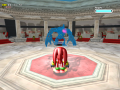
Much of the game has been remodelled or re-textured, with the main characters being among the assets to be re-created with higher polygon counts. But while DX may improve on some 3D geometry, much of the game is untouched and some areas, such as the in-game lighting model and many of the texture choices, are often considered to have been downgraded. In many parts of the game, particulary areas in an around Station Square, these texture changes lead to a very different looking world as seen in the original Dreamcast release.
Sonic Adventure DX being the better version of the game, as is its design, remains a contentious issue among fans.
Mission mode

|
Main article: Sonic Adventure DX: Director's Cut/Missions |
The Mission mode is a new mode that presents various challenges to the player. When a character's story has been cleared, that character than then be used in this mode. To start a mission, the player must find mission cards located all around the Adventure Fields and interact with one, displaying a hint. It is up to the player to figure out the mission's location based on its hint, which can be inside an Adventure Field or an Action Stage, then complete the mission's objective, such as collecting certain items or by bringing the Burger Shop statue to a specific location. Multiple missions can be active at any given point.
There are a total of 60 missions in the game, and all of them are character-specific, encouraging the player to clear every character's story and explore the Adventure Fields with different characters. At any time, the player can track their mission progress via the pause menu. When all of the missions have been cleared, they can all be replayed at the player's leisure.
Mini Game Collection
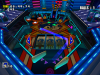
The Mini Game Collection, accessible from the main menu, houses all 12 Game Gear Sonic games as unlockables awarded after collecting 20, 40, 60, 80, 100, 110, 120 and 130 Emblems and completing 20, 40 and 60 missions. This also marks the first time Sonic Drift and Tails' Skypatrol were officially released in North America and Europe. Each game is unlocked in the following order:
Multiplayer support is also available for all Game Gear games and can be enabled by pressing  on a second controller. This will reset the current game and display two separate gameplay sessions. For games that supported the Gear-to-Gear Cable for multiplayer, this can be used to link up the two game windows for multiplayer.
Metal Sonic
When all 130 Emblems have been collected, Metal Sonic will be unlocked as a playable character for use in Trial mode. Here, Metal Sonic simply serves as a skin swap for Sonic, as he can access every Action Stage normally visited by Sonic and has all of the same abilities. No Emblems are awarded for clearing Action Stages as Metal Sonic, but progress is still tracked.
Versions
Comparisons
|
|
Main article: Sonic Adventure/Comparisons |
Also released on
- Sonic Adventure 2-Pack (200x)
- Sonic PC Collection for the PC (2009)
- Sonic Adventure for Xbox Live Arcade, PlayStation Network (2010) and Steam (2011)
- Dreamcast Collection for Xbox 360, PC and Steam (2011)
Production credits
|
|
Main article: Sonic Adventure DX: Director's Cut/Production credits |
For a list of voice actors, see Sonic Adventure#Voice Actors.
Manuals
|
|
Main article: Sonic Adventure DX: Director's Cut/Manuals |
Artwork

Logo

Japanese logo

Sonic (Remade version from Sonic art assets DVD


Wallpaper


Physical scans
GameCube version
 Reception » Reception »
|
| GameCube, US |
|---|
 Cover
|
 Disc |
| GameCube, US (Player's Choice) |
|---|
 Cover
|
| GameCube, US (Hollywood Video) |
|---|
|
|
| GameCube, UK |
|---|
 Cover
|
 Disc |
| GameCube, UK (Player's Choice) |
|---|
 Cover
|
| GameCube, FR |
|---|
 Cover
|
| Disc |
| GameCube, FR (Player's Choice) |
|---|
 Cover
|
| GameCube, DE |
|---|
 Cover
|
| Disc |
| GameCube, DE (Player's Choice) |
|---|
 Cover
|
| GameCube, ES |
|---|
 Cover
|
| Disc |
| GameCube, JP |
|---|
  Cover
|
 Disc File:Sadx jp manual.pdf Manual |
| GameCube, JP (Okaidoku-ban) |
|---|
 Cover
|
| GameCube, AU |
|---|
|
|
| Disc |
| GameCube, AU (Player's Choice) |
|---|
 Cover
|
PC version
| PC, JP |
|---|
 Cover
|
| PC, JP (MSI) |
|---|
 Cover
|
| PC, US |
|---|
   Cover
|


| PC, UK |
|---|
 Cover
|
| PC, UK (Sold Out) |
|---|
 Cover
|
 Disc 1  Disc 2 |
| PC, UK (MAD) |
|---|
 Cover
|
 Disc 1  Disc 2 |
| PC, FR |
|---|
 Cover
|
 Disc 1  Disc 2 |
| PC, FR (Xplosiv) |
|---|
 Cover
|
 Disc 1  Disc 2 |
| PC, FR (Hits Collection) |
|---|
 Cover
|
 Disc 1  Disc 2 |
| PC, FR (Just For Gamers) |
|---|
 Cover
|
| PC, DE |
|---|
 Cover
|
| Disc 1 Disc 2 |
| PC, DE (Software Pyramide) |
|---|
   Cover
|
| PC, ES |
|---|
 Cover
|
| Disc 1 Disc 2 |
| PC, ES (Best of Atari) |
|---|
 Cover
|
| PC, IT |
|---|
 Cover
|
| PC, BX† (Dice Multimedia) |
|---|
 Cover
|
 Disc 1  Disc 2 |
| PC, SE/NO/FI/DK (PC Best Buy) |
|---|
 Cover
|
 Disc 1  Disc 2 |
| PC, DA (Stimorol, Demo) |
|---|
  Cover
|
 Disc |
| PC, HU |
|---|
 Cover
|
 Disc 1  Disc 2 |
| PC, AU (Valusoft) |
|---|
 Cover
|
| PC, KR |
|---|
  Cover
|
| PC, IL |
|---|
|
|
 Disc 1  Disc 2 |
| PC, SG (Ntertainment) |
|---|
 Cover
|
Technical information
ROM dump status
| System | Hash | Size | Build Date | Source | Comments | |||||||||
|---|---|---|---|---|---|---|---|---|---|---|---|---|---|---|
| |
|
1,459,978,240 | Game Disc (US) | |||||||||||
| |
|
1,459,978,240 | Game Disc (EU) | |||||||||||
| |
|
1,459,978,240 | Game Disc (JP) | |||||||||||
| |
|
1.36GB | NR Disc[8] | Preview | Page | |||||||||
| |
|
1.36GB | NR Disc[9] | Review copy |
External links
- Sega of Japan catalogue pages (Japanese): GameCube, PC (archive)
- Nintendo catalogue pages: US (archive), UK
References
- ↑ http://www.nintendo.com/games/gamepage/gamepage_main.jsp?gameId=1379 (Wayback Machine: 2003-10-11 08:54)
- ↑ 2.0 2.1 2.2 2.3 http://sega.jp/gc/sonicdx/ (Wayback Machine: 2005-02-08 12:01)
- ↑ https://www.nintendo.co.uk/Games/Nintendo-GameCube/Sonic-Adventure-DX-Director-s-Cut-268720.html (archive.today)
- ↑ https://www.nintendo.fr/Jeux/Nintendo-GameCube/Sonic-Adventure-DX-Director-s-Cut-268720.html (archive.today)
- ↑ https://www.nintendo.de/Spiele/Nintendo-GameCube/Sonic-Adventure-DX-Director-s-Cut-268720.html (archive.today)
- ↑ https://www.nintendo.es/Juegos/Nintendo-GameCube/Sonic-Adventure-DX-Director-s-Cut-268720.html (archive.today)
- ↑ 7.0 7.1 http://sega.jp/pc/sonicdx/ (Wayback Machine: 2003-12-07 08:44)
| Sonic Adventure / Sonic Adventure DX: Director's Cut | |
|---|---|
|
Main page (SADX|2010) Manuals (SADX) Development (SADX) |
show;hide
Adventure Fields: Sub-games: Dreamcast Prereleases: DX Prereleases: 2010 Prereleases: Books:
Comics: Music: Songs: "Open Your Heart" | "It Doesn't Matter" | "Believe in Myself" | "Unknown from M.E." | "My Sweet Passion" | "Lazy Days ~Livin' in Paradise~" |












| Sonic the Hedgehog games for the following systems | |
|---|---|
| |
2001 Sonic Adventure 2: Battle 2002 Sonic Mega Collection 2003 Sonic Adventure DX: Director's Cut | Sonic Heroes 2005 Sonic Gems Collection | Shadow the Hedgehog | Duo Pack: Sonic Heroes/Super Monkey Ball 2 2006 Sonic Riders |
| Sonic related game compilations for the PC |
|---|
| Sega Family Fun Pak (1996) | Sonic & Knuckles Collection (1997) | Sonic & Garfield Pack (1999) | Sega PC Puzzle Pack (1999) | Sega PC Smash Pack (1999) | Pack 2 Jogos (199x) | Sonic Speed Pack! (199x) | Sega Smash Pack 2 (2000) | Sonic Action Pack (2000) | Sonic Action 4 Pack (2001) | Sonic Collector's Edition (2001) | Twin Pack: Sega Smash Pack & Sega Smash Pack 2 (2002) | Twin Pack: Sonic 3D Blast & Sonic R (2002) | Twin Pack: Sonic CD and Sonic & Knuckles Collection (2002) | Sonic Adventure DX: Director's Cut (2003) | Sonic Mega Collection Plus (2004) | Sonic Double Pack (2008) | Sonic PC Collection (2009) | Coffret Sonic (200x) | Sonic Gold Edition (200x) | Sonic R/Sonic 3D (200x) | Sonic Hits Collection (2013) | Five Sonic Rings Bundle (2013) | Sonic Games Collection (2015) |